Self-Advocacy in Medical Recovery: A Women’s Guide

If you’ve ever left a doctor’s appointment feeling unheard, dismissed, or more confused than when you walked in, you already understand why the role of self-advocacy in medical recovery matters so much. Patient self-advocacy, the practice of actively communicating your needs, asking informed questions, and participating in your own care decisions, can change your clinical outcomes in ways that are measurable and real. One cancer patient who sought six separate second opinions improved her survival odds from under 1% to 2%. That’s not incidental. For women recovering from reproductive health conditions, where diagnostic delays are common and dismissal is routine, knowing how to advocate for yourself in healthcare isn’t optional. It’s survival strategy.
Table of Contents
- Key Takeaways
- The role of self-advocacy in medical recovery
- Practical self-advocacy techniques that work
- Benefits of self-advocacy you may not expect
- Overcoming common barriers to self-advocacy
- What I’ve learned about self-advocacy the hard way
- Resources to support your recovery and advocacy
- FAQ
Key Takeaways
| Point | Details |
|---|---|
| Self-advocacy changes outcomes | Proactive patients who seek second opinions and communicate clearly get better treatment and fewer delays. |
| Preparation reduces overwhelm | A one-page medical summary shared before appointments cuts confusion and helps providers respond to your actual concerns. |
| Collaboration beats going solo | Effective self-advocacy is a partnership with your providers, not unsupervised self-treatment. |
| Mental health benefits are real | Patients who advocate for themselves report stronger sense of control and lower anxiety during recovery. |
| Peer support fills the gaps | Connecting with others in similar situations improves treatment adherence and reduces emotional isolation. |
The role of self-advocacy in medical recovery
Self-advocacy is a recognized term in healthcare research and patient rights frameworks. At its core, it means expressing your needs, preferences, and concerns clearly and effectively within the medical system. It does not mean going rogue, self-diagnosing, or bypassing your providers. The distinction matters, because many women either dismiss self-advocacy as unnecessary or conflate it with self-experimentation. Neither is helpful.
A 2026 systematic review of 17 cancer survivorship studies found that self-advocacy is multi-dimensional, shaped by psychological factors, health literacy, and demographic variables. It directly influences mental health during recovery. For women with Asherman’s syndrome, unexplained fertility issues, or recurring miscarriage, this complexity is familiar. Your diagnosis is layered. Your emotional state affects how clearly you communicate, which affects what care you receive.
Self-advocacy skills for patients also include understanding your rights within the healthcare system, such as requesting your medical records, asking for a referral, or declining a treatment you’re not comfortable with. These are not aggressive acts. They are informed participation.
Here’s what patient self-advocacy actually looks like in practice:
- Keeping a symptom journal so you have specific data, not just a vague feeling, to share with your provider
- Asking your doctor to explain their reasoning, not just their recommendation
- Requesting written summaries of diagnoses or treatment plans
- Naming your concerns directly rather than waiting to be asked
- Following up in writing after appointments to confirm what was discussed
Pro Tip: If you struggle to find the right words during appointments, write down your three most important concerns the night before and put them at the top of your page. Address those first before anything else gets covered.
The psychological piece is significant. Anxiety, grief, and medical trauma can suppress your ability to speak up in the very moments it matters most. Recognizing that self-advocacy is a skill you build, not a trait you either have or don’t, takes some of the pressure off. You get better at it with practice.

Practical self-advocacy techniques that work
Knowing that self-advocacy matters is one thing. Having a concrete toolkit is another. These are techniques that work not in theory but in the actual chaos of a medical appointment.
-
Build a one-page medical summary. Include your diagnosis history, current medications, known treatment reactions, and communication preferences. Sharing this before visits via patient portals or handing it directly to your provider reduces the time spent on basic background and lets you use the appointment for what actually needs discussion. Think of it as front-loading your information so nothing critical gets lost.
-
Keep a symptom journal. Date-stamped entries that note when symptoms started, how they feel, what makes them worse, and how they affect your daily life give your provider something concrete to work with. Vague descriptions lead to vague responses.
-
Bring a support person with a specific role. Not just company. A clearly defined role might include taking notes, redirecting the conversation if it veers away from your main concern, or confirming that your question was answered before you move on. Power dynamics in medical settings are real, and a support person can help maintain your voice when stress makes it hard.
-
Ask for second opinions without apology. Patients who pursue second opinions in complex reproductive health cases frequently gain better treatment options and diagnostic clarity. Asking for a second opinion is not an insult to your provider. It is standard medical practice.
-
Coordinate your care actively. If you have multiple providers, don’t assume they’re communicating. Request that test results and treatment notes are shared across your care team. You are the one person present in every conversation about your health.
Pro Tip: After each appointment, send a brief follow-up message through your patient portal: “I want to confirm we agreed on X. My next step is Y.” This creates a paper trail and catches misunderstandings before they become missed treatments.
One important safety note: self-advocacy is a collaborative act. Self-experimentation with unapproved treatments carries genuine clinical risks, including immune responses and toxicity. Advocating for yourself means pushing for better care within the system, not around it.
Benefits of self-advocacy you may not expect
The most obvious benefit is better clinical outcomes. But the ripple effects go further than most people anticipate.
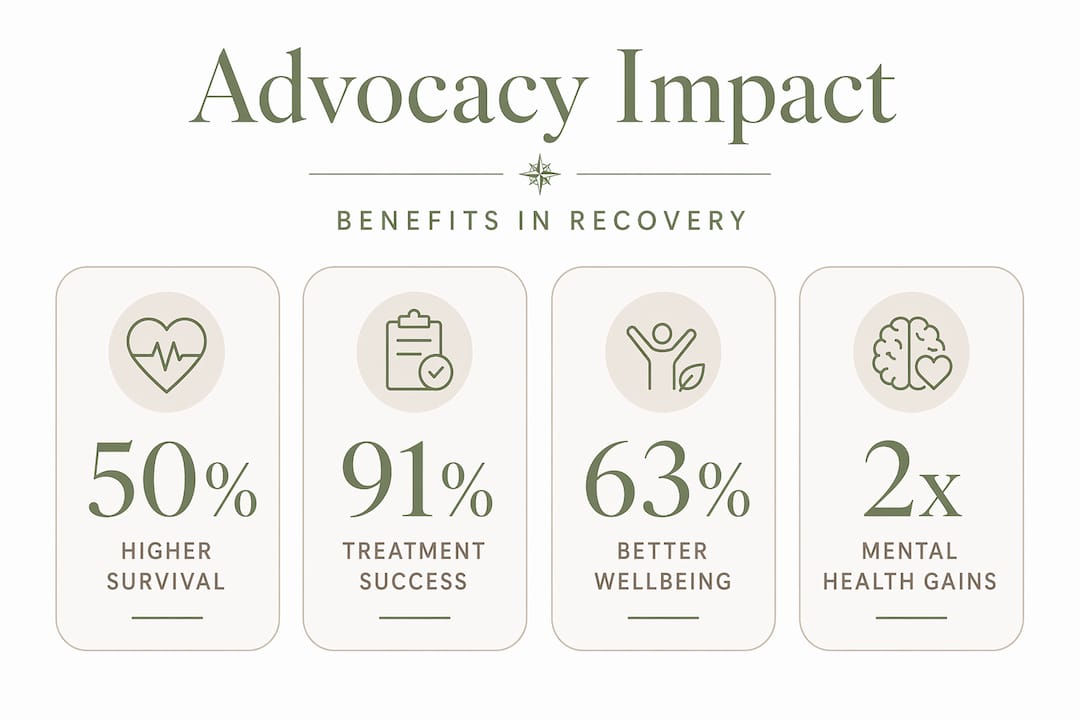
| Benefit | What the evidence shows |
|---|---|
| Improved survival and treatment outcomes | Seeking multiple opinions can dramatically improve odds in serious conditions |
| Stronger provider relationships | Honest, active communication builds trust and reduces missed details |
| Reduced diagnostic errors | Patients who speak up catch miscommunications before they become treatment mistakes |
| Mental health and sense of control | Self-advocacy is directly linked to emotional resilience and reduced anxiety during recovery |
| Lower social isolation | Peer-connected patients show better treatment adherence and emotional stability |
The mental health benefits of self-advocacy in health contexts deserve more attention than they typically get. Recovery from reproductive health conditions is not just physical. The grief, uncertainty, and exhaustion of being sick, especially when your symptoms have been dismissed, takes a serious emotional toll. Patients who develop self-advocacy skills report a stronger sense of agency. That sense of agency is protective. It changes how you experience the entire recovery process.
Peer connection amplifies this effect. Peer-led support addresses the social and emotional gaps that clinical care alone cannot fill. For women recovering from Asherman’s or related conditions, connecting with others who understand the specifics of your experience, via forums, communities, or structured groups, is not supplementary. It is part of the recovery itself. You can explore how social media and online communities function as a recovery support tool when used intentionally.
Overcoming common barriers to self-advocacy
Knowing you should advocate for yourself and actually doing it in a clinical setting are two different things. The barriers are real, and they deserve honest acknowledgment.
-
Emotional overwhelm during appointments. Anxiety can shut down clear thinking exactly when you need it most. Having your three main concerns written down and a support person beside you creates a structure that holds up even when your nervous system doesn’t.
-
Providers who are unfamiliar with your condition. Women with Asherman’s or post-D&C complications often encounter specialists who have limited experience with their specific diagnosis. When this happens, coming prepared with information, including a dismissed symptoms checklist, shifts the dynamic. You are not just reporting symptoms. You are presenting a case.
-
The fear of being labeled “difficult.” This one is pervasive and deeply unfair. Research shows that women are significantly more likely to have their symptoms minimized or attributed to anxiety. Reframing self-advocacy as collaborative rather than confrontational helps, but it also helps to name directly when you feel unheard. “I’d like us to explore this further before ruling it out” is not aggression. It is appropriate persistence.
-
Cognitive overload from complex information. Medical appointments often involve absorbing a lot of information quickly, some of it frightening. Paced communication helps. Ask your provider to pause when you need a moment. Use a support person to take notes so your mental energy stays on the conversation. Review your post-procedure recovery plan in writing after the fact, not in the room while you’re still processing.
-
Fatigue from long recovery timelines. Chronic conditions erode persistence. Building small, repeatable advocacy habits, like a monthly symptom review or a pre-appointment prep ritual, sustains your capacity without burning you out.
Self-advocacy skills genuinely improve with practice and with the right tools. The first appointment where you speak up feels harder than the fifth. That learning curve is normal.
What I’ve learned about self-advocacy the hard way
I spent a significant stretch of my own recovery waiting to be guided rather than doing the guiding. I thought the doctors had all the information and my job was to show up and comply. That belief cost me time. Time I would not get back.
What changed wasn’t a single dramatic moment. It was the slow realization that no one in the medical system had the full picture of my experience except me. Not my surgeon, not my GP, not my specialist. Only I was present in every appointment, felt every symptom, and carried the accumulated history of what had been tried and failed. When I started treating that knowledge as genuinely valuable, something shifted.
I’ve seen this same shift happen in the women who use Theashermanscompass resources. The ones who arrive having prepared questions, who come with a symptom timeline, who ask for written follow-up instructions, they get different care. Not because they’re louder, but because they’re clearer. Their providers have something concrete to respond to.
The uncomfortable truth is that the healthcare system is not designed to prompt you to advocate for yourself. It moves fast. It assumes you’ll ask if something is wrong. You have to decide, deliberately, to be an active participant rather than a passive recipient.
Empowerment through self-advocacy doesn’t mean having all the answers. It means knowing which questions to ask, and being willing to ask them twice if needed.
— Daniella
Resources to support your recovery and advocacy
Recovery from reproductive health conditions is hard enough without having to piece your information together from three different Reddit threads and a medical journal you half-understand. Theashermanscompass was built specifically for this gap.
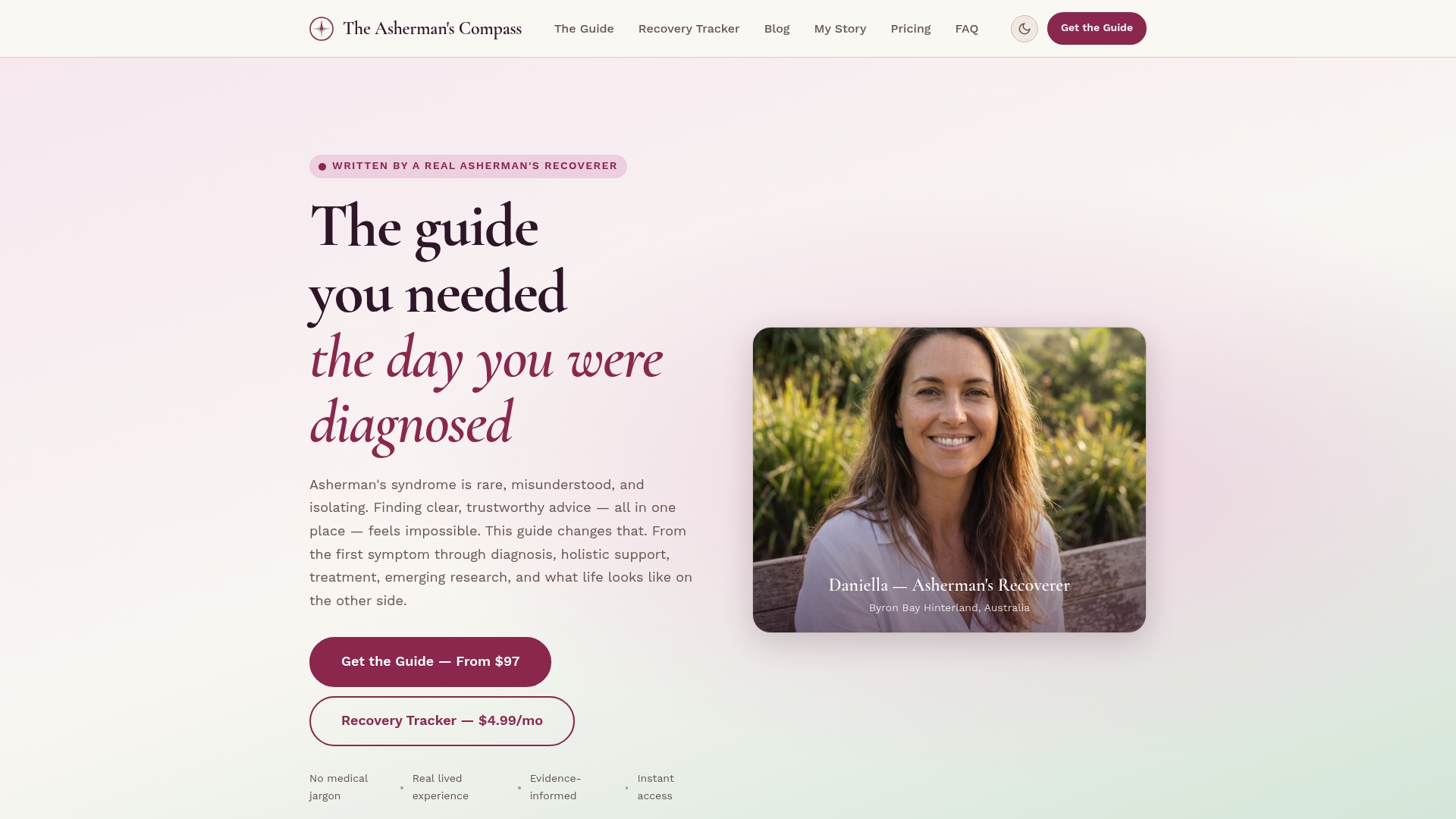
The complete recovery guide at Theashermanscompass includes 120 pages covering diagnosis, treatment, post-operative care, and 18 specialist-ready question scripts you can take directly into your next appointment. There’s also a global specialist directory and a self-care protocol designed for the specific realities of Asherman’s and related conditions. If you want to understand the experience behind the resource, Daniella’s story is there too. It covers the diagnostic delays, the dismissed symptoms, and what actually helped. Ten percent of every sale funds the Compass Fund, which supports specialist care for women who can’t access it independently.
FAQ
What does self-advocacy mean in medical recovery?
Self-advocacy in medical recovery means actively communicating your symptoms, asking informed questions, and participating in treatment decisions alongside your providers. It is a collaborative skill, not a confrontational stance, and it improves both clinical outcomes and mental well-being during recovery.
Why is self-advocacy especially important for reproductive health issues?
Women with reproductive health conditions frequently experience diagnostic delays and dismissed symptoms, making proactive communication with providers critical to receiving timely and accurate care. Self-advocacy helps prevent these delays from becoming permanent setbacks.
How can I prepare to advocate for myself at a medical appointment?
Prepare a one-page medical summary with your diagnosis history, medications, and key concerns, and bring a support person with a defined role such as note-taking. Writing down your top three concerns before the appointment keeps the conversation focused even when anxiety is high.
Is seeking a second opinion a form of self-advocacy?
Yes. Seeking a second opinion is one of the most effective self-advocacy techniques available, particularly in complex reproductive health cases where specialist knowledge varies significantly. Patients who pursue multiple opinions often gain clarity and discover treatment options their initial provider had not considered.
Can self-advocacy improve mental health during recovery?
Research confirms that self-advocacy is directly linked to a stronger sense of control and reduced anxiety during recovery. Combined with peer support, which improves treatment adherence and emotional resilience, active patient involvement supports both psychological and physical healing.
Recommended
- The Asherman’s Compass — Your Complete Recovery Guide
- The Asherman’s Compass — Your Complete Recovery Guide
- The Asherman’s Compass — Your Complete Recovery Guide
- The Asherman’s Compass — Your Complete Recovery Guide
Ready to Understand Your Body Better?
The Complete Asherman's Compass Guide covers everything from diagnosis to recovery — written from lived experience, backed by evidence.
Get the Complete Guide — $97Medical Disclaimer: This article is written from personal experience and is for informational purposes only. It is not medical advice. Please consult a qualified healthcare professional for diagnosis and treatment. The Asherman's Compass does not provide medical diagnoses.
Last reviewed: May 2026