Why Rest Matters After Hysteroscopy for Healing
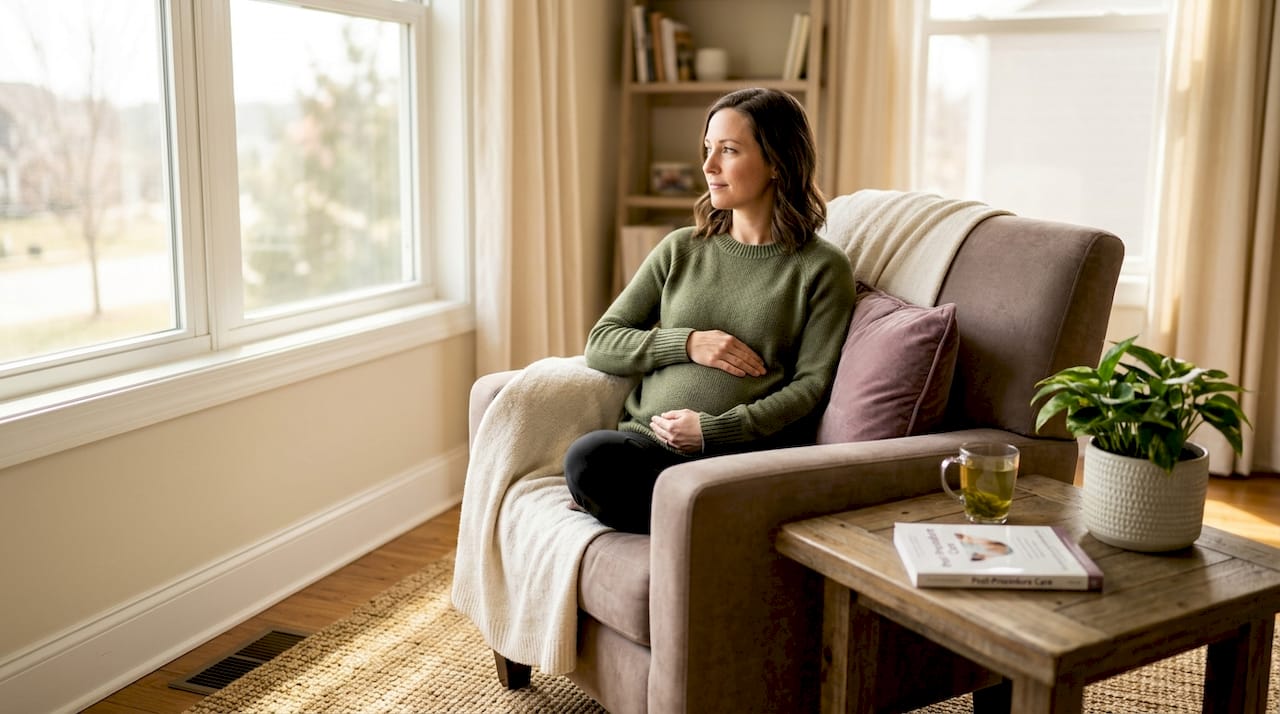
Rest after a hysteroscopy is the single most protective thing you can do for your uterine tissue in the days following the procedure. The body’s repair process begins immediately, and physical activity during that window directly competes with it. Whether your hysteroscopy was diagnostic or operative, the importance of recovery after hysteroscopy is not optional advice. It is the biological foundation of how your uterus heals.
Why rest matters after hysteroscopy: the core reason
Rest reduces mechanical stress on tissue that has just been entered, stretched, and in many cases, cut or treated. The cervix is temporarily more open after a hysteroscopy, which creates a direct pathway for bacteria to reach the uterine cavity. Rest reduces contamination exposure to healing uterine tissue, lowering both infection and bleeding risks. That is not a precaution. That is physiology.
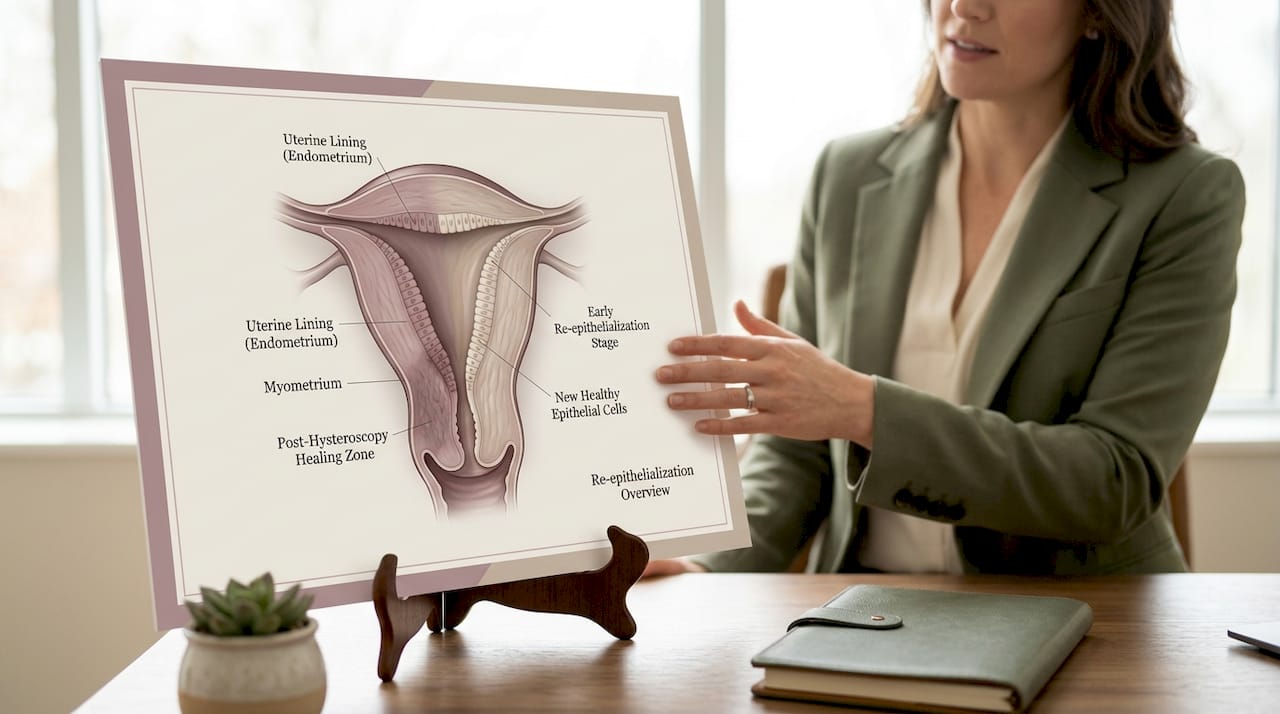
The uterine lining, called the endometrium, begins re-epithelialization after the procedure. This is the process of new cells growing across the treated surface, and it requires a stable environment. Any increase in pelvic pressure, uterine contractions, or physical exertion can disrupt that process before it gains traction. The first 1 to 2 hours post-procedure are critical for physiological stabilization, but the window of vulnerability extends well beyond that.
What happens inside your body that makes rest critical?
The endometrium does not simply bounce back. After a hysteroscopy, the uterine lining undergoes a structured repair sequence that mirrors wound healing elsewhere in the body, except the uterus is also a muscular organ that contracts. Those contractions, triggered by activity, stress, or physical pressure, can pull at tissue that is mid-repair.
Here is what is happening internally during the first days of recovery:
- Endometrial re-epithelialization begins within hours of the procedure. New cells migrate across the treated surface, and this process is fragile. Physical exertion increases blood flow and uterine activity, which can interrupt cell migration.
- Cervical vulnerability is real and measurable. The cervix remains slightly dilated after the procedure, meaning the uterine cavity has reduced natural protection against ascending bacteria.
- Uterine contractions are the body’s default response to irritation. Heavy lifting, strenuous movement, or even prolonged standing can trigger cramping that worsens bleeding and delays tissue closure.
- Anesthesia recovery adds another layer. Even with local or light sedation, the body is processing pharmacological stress. Rest supports cardiovascular and neurological stabilization during this phase.
The distinction between moderate and strenuous activity matters here. Light walking around the house does not significantly increase uterine pressure. Running, carrying heavy bags, or returning to a physically demanding job does. The biological process of uterine re-epithelialization is the direct reason why sexual intercourse must be delayed after operative hysteroscopy. Penetration creates mechanical pressure and introduces bacteria at exactly the wrong moment.
Pro Tip: If you feel fine the morning after your procedure, that feeling reflects your nervous system, not your uterine tissue. Tissue healing runs on its own timeline, and it is slower than your energy levels suggest.
How long should you rest after hysteroscopy?
Recovery timelines differ based on whether the procedure was diagnostic or operative. A diagnostic hysteroscopy involves no cutting or treatment. An operative hysteroscopy removes polyps, fibroids, or scar tissue, which means the uterine surface has actual wounds that need to close.
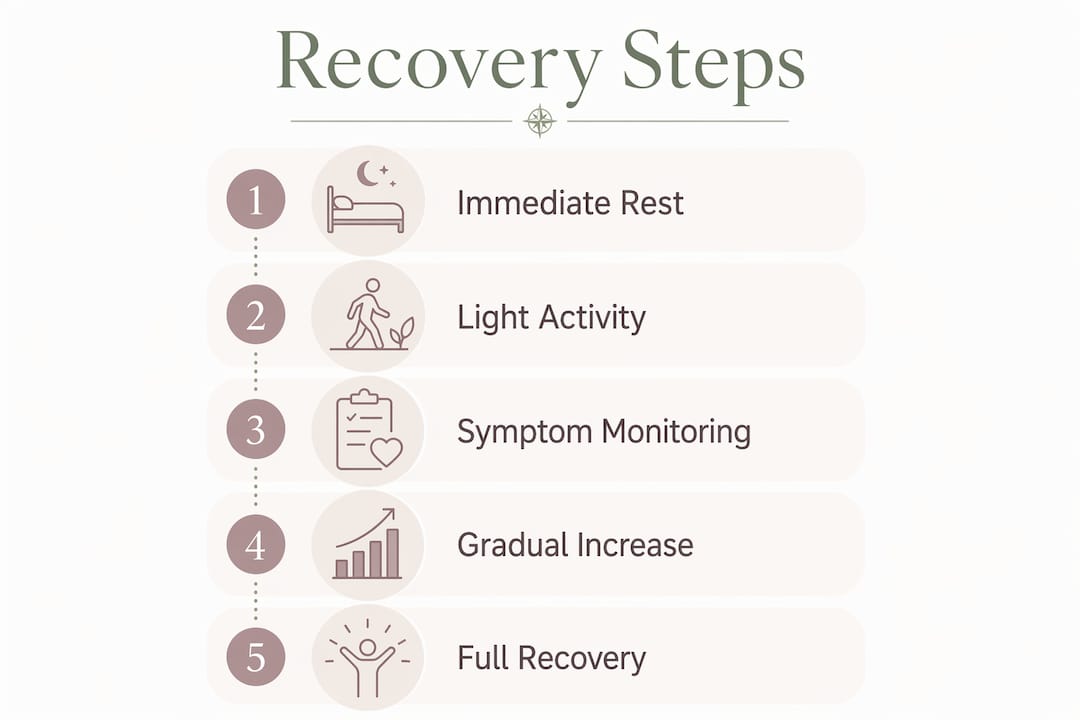
Here is a practical breakdown of the recommended rest timeline:
- Immediately post-procedure (first 1 to 2 hours): Remain in the monitored recovery area. Vital signs stabilize and anesthesia clears during this window.
- First 24 to 48 hours at home: Rest at home, limit activity to light movement. Avoid strenuous activity and heavy lifting during this period to limit bleeding and support healing.
- Days 2 to 7: Light daily activities are generally fine. Avoid exercise, swimming, baths, and sexual intercourse. Use sanitary pads only. No tampons.
- Days 7 to 14 (operative hysteroscopy): Sexual intercourse is restricted for 10 to 14 days after operative procedures. Bathtub soaking is also avoided during this period. Standing showers are fine from around 24 hours post-procedure.
- Week 2 onward: Most women can resume normal activity. If symptoms like cramping or spotting persist, extend rest and consult your doctor.
The table below compares recovery expectations for the two procedure types:
| Recovery factor | Diagnostic hysteroscopy | Operative hysteroscopy |
|---|---|---|
| Return to light activity | Same day or next day | 1 to 2 days |
| Avoid strenuous exercise | Up to 1 week | 1 to 2 weeks |
| Sexual intercourse restriction | Until bleeding stops | 10 to 14 days |
| Full recovery timeline | 1 to 2 days | 1 to 2 weeks |
| Bathing restriction | Until bleeding stops | 10 to 14 days |
Most patients recover fully within one to two days after a diagnostic hysteroscopy. Operative procedures require a longer rest period, and avoidance of strenuous exercise for one week improves healing outcomes.
What risks does skipping rest actually create?
The risks of ignoring post-hysteroscopy rest are not theoretical. They are documented patterns that gynecologists see when patients return to activity too quickly.
- Increased bleeding: Overexertion raises pelvic blood pressure and triggers uterine contractions. Both increase the volume and duration of post-procedure bleeding.
- Infection: The temporarily open cervix is a direct route for bacteria. Swimming, baths, and sexual activity all introduce contamination risk during this window.
- Symptom rebound: Early sexual activity after operative hysteroscopy can cause renewed spotting due to increased pelvic pressure and uterine contractions. Even when you feel well, tissue sensitivity remains until full healing.
- Prolonged recovery: Women who push through the first week often report a longer overall recovery. The body redirects resources from repair to managing the consequences of overexertion.
Feeling physically ready does not mean your tissue is ready. Even subtle early activities can increase uterine contractions and extend the bleeding phase. The gap between how you feel and how your uterus is healing is real, and it matters.
The warning signs that go beyond normal recovery require urgent medical attention, not more rest. Severe pain, heavy bleeding, fever, or foul-smelling discharge are signals that something beyond normal healing is happening. Rest supports normal recovery. It does not treat complications.
For women navigating post-procedure symptoms alongside a history of Asherman’s syndrome or uterine scarring, understanding what to expect after hysteroscopy is especially important, because the recovery picture can look different.
How to optimize your rest and recovery after hysteroscopy
Recovery is not passive. The way you rest, what you eat, how you manage pain, and how you monitor your symptoms all shape how quickly and cleanly your uterus heals. Here is what actually moves the needle:
- Symptom-calibrated rest: Adjust activity based on cramping or bleeding. If symptoms worsen after light activity, step back to full rest for 24 hours before trying again. This approach prevents the cycle of overexertion and setback.
- Hydration and nutrition: Your body is repairing tissue. Protein, iron-rich foods, and adequate water support cell regeneration and replace what you lose through bleeding. This is not optional self-care. It is repair fuel.
- Pain management: Over-the-counter options like ibuprofen or acetaminophen manage cramping effectively for most women. Ibuprofen also has mild anti-inflammatory properties that may support tissue recovery. Always confirm with your doctor what is appropriate for your specific situation.
- Hygiene and pelvic rest: Use sanitary pads, not tampons. Avoid baths, swimming pools, and hot tubs until bleeding stops. These restrictions exist because avoiding swimming, baths, and sexual activity during early healing directly reduces infection risk.
- Gentle movement: Light walking is recommended as tolerated because excessive inactivity can worsen constipation and pelvic discomfort. The goal is balance, not bed rest.
- Mental health during recovery: Anxiety about symptoms is normal, especially for women with a history of fertility challenges. Breathing exercises, guided meditation apps like Calm or Headspace, and honest conversations with your support network all reduce the cortisol load that can amplify pain perception.
Pro Tip: Keep a simple symptom log for the first week. Note bleeding volume, cramping intensity, and energy levels each day. This gives you a clear picture of your trajectory and something concrete to share with your doctor if you need to call.
For women managing pain specifically, the guidance on pain management after uterine procedures covers practical strategies that go beyond standard post-op instructions.
Key takeaways
Rest after hysteroscopy is a biological requirement, not a suggestion, because the uterine lining cannot complete re-epithelialization under physical stress.
| Point | Details |
|---|---|
| Rest protects healing tissue | Physical activity increases uterine contractions and bleeding risk during the repair window. |
| Recovery timelines differ by procedure | Diagnostic hysteroscopy: 1 to 2 days. Operative hysteroscopy: up to 2 weeks for full restrictions. |
| Sexual intercourse restriction is firm | Avoid intercourse for 10 to 14 days after operative hysteroscopy to prevent infection and rebound bleeding. |
| Symptom-calibrated pacing works | Adjust activity based on cramping and bleeding, not how energetic you feel. |
| Warning signs require medical care | Fever, heavy bleeding, or foul discharge go beyond rest. Contact your doctor immediately. |
What I’ve learned about rest that most recovery advice misses
I spent years treating rest as something I owed my body only when I was completely flattened. After my own hysteroscopy and the long road through Asherman’s that followed, I had to relearn what rest actually means in a medical context.
Rest is not lying still and waiting. It is a deliberate reduction of every input that competes with tissue repair. That means physical load, yes, but also emotional stress, poor sleep, and the particular anxiety of not knowing whether what you are feeling is normal. That last one is underestimated. Anxiety drives cortisol, cortisol increases inflammation, and inflammation slows healing. The mental work of recovery is real.
What I also learned is that the women who struggled most in recovery were not the ones who did too little. They were the ones who felt fine on day two and went back to full life on day three. The gap between subjective readiness and tissue readiness is the thing nobody explains clearly enough. Your uterus does not send you a notification when it is healed. You have to trust the timeline even when your body feels ahead of it.
The other thing worth saying: if you have a history of Asherman’s or uterine scarring, your recovery after hysteroscopy carries more weight than it does for someone without that history. The stakes of disrupting re-epithelialization are higher. That is not a reason to panic. It is a reason to take the rest period seriously and to monitor your symptoms with more attention than the standard discharge sheet suggests.
You can find detailed guidance on monitoring recovery after uterine surgery at The Asherman’s Compass, written specifically for women whose recovery picture is more complex.
— Daniella
How The Asherman’s Compass supports your recovery
If you are recovering from a hysteroscopy and want more than a one-page discharge sheet, The Asherman’s Compass was built for exactly this moment.
The Complete Recovery Guide at The Asherman’s Compass covers hysteroscopy recovery in detail, including symptom monitoring, specialist-ready question scripts, and self-care protocols written by someone who has been through it. If you are not sure whether your symptoms are normal or something worth flagging, the free symptom quiz gives you a starting point in minutes. Ten percent of every purchase goes to the Compass Fund to support specialist care for women who need it most.
FAQ
How long should you rest after a hysteroscopy?
Most people can return to normal activities within one to two days after a diagnostic hysteroscopy. Operative hysteroscopy typically requires avoiding strenuous activity and sexual intercourse for up to two weeks.
Why is sexual intercourse restricted after hysteroscopy?
Sexual intercourse increases pelvic pressure and introduces bacteria when the cervix is still slightly open. Intercourse is restricted for 10 to 14 days after operative hysteroscopy to protect healing uterine tissue and prevent infection.
What activities should you avoid during hysteroscopy recovery?
Avoid heavy lifting, strenuous exercise, swimming, baths, and tampon use until bleeding stops. Strenuous activity for 24 to 48 hours post-procedure increases bleeding risk and slows tissue repair.
What are the warning signs that rest alone is not enough?
Severe pain, heavy bleeding, fever above 100.4°F, or foul-smelling discharge are not normal recovery symptoms. These signs require urgent medical attention and should not be managed with rest alone.
Is light walking safe during hysteroscopy recovery?
Yes. Light walking is recommended as tolerated because complete inactivity can worsen constipation and pelvic discomfort. The goal is gentle movement, not bed rest, balanced against your current symptom level.
Recommended
- Hysteroscopy for Asherman’s Syndrome: What Nobody Told Me | The Asherman’s Compass
- Recurrent Miscarriage & Uterine Adhesions: Is There a Connection? | The Asherman’s Compass
- Blog — The Asherman’s Compass
- Post-surgical hormonal support: What women need to know | The Asherman’s Compass
Ready to Understand Your Body Better?
The Complete Asherman's Compass Guide covers everything from diagnosis to recovery — written from lived experience, backed by evidence.
Get the Complete Guide — $97Medical Disclaimer: This article is written from personal experience and is for informational purposes only. It is not medical advice. Please consult a qualified healthcare professional for diagnosis and treatment. The Asherman's Compass does not provide medical diagnoses.
Last reviewed: June 2026